
How Lingual Braces Affect Speech and Eating: What You Need to Know
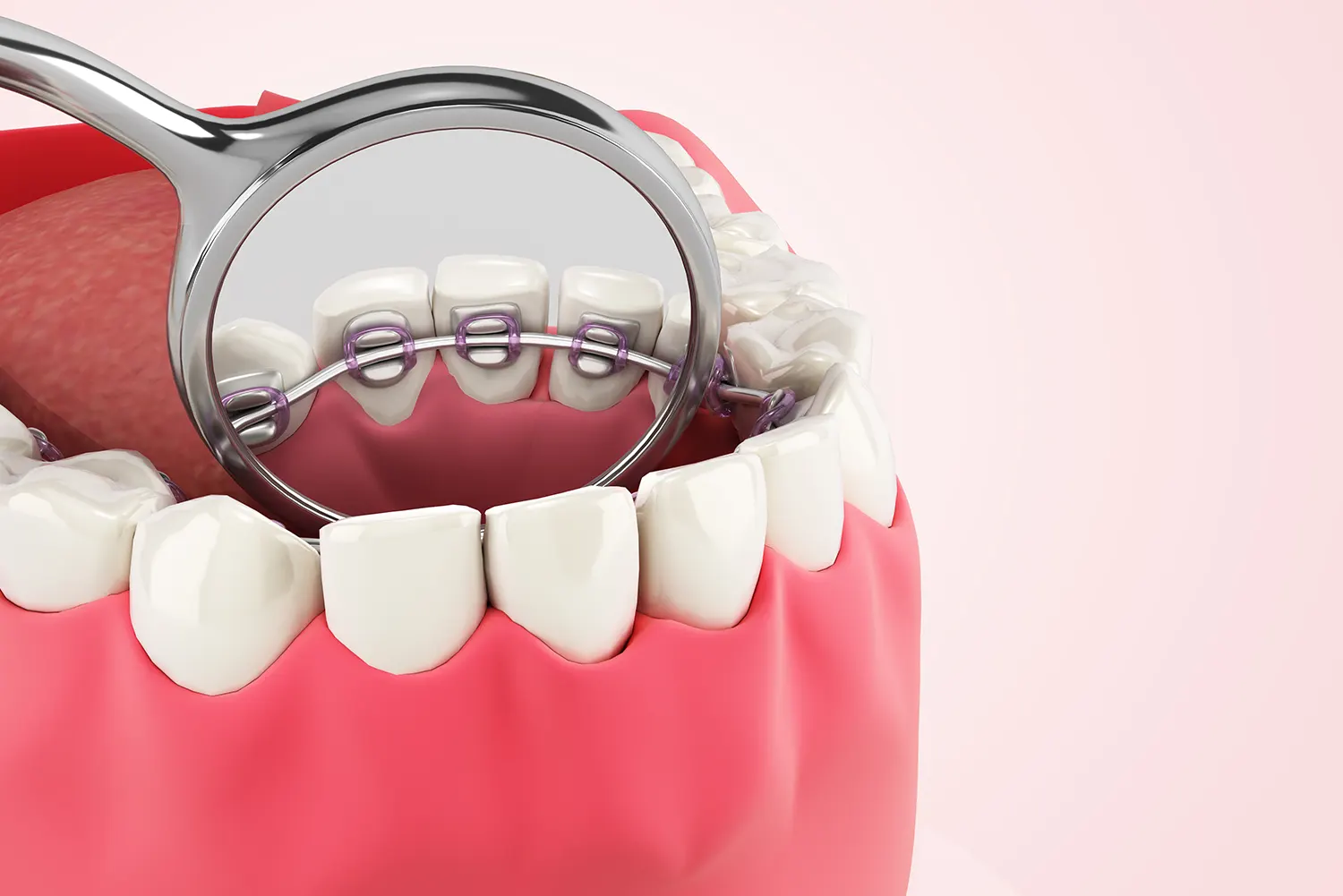
Adjusting to braces can feel overwhelming. And for many patients, the thought of how they’ll impact daily activities like talking or eating is a common concern. While lingual braces, the discreet option placed on the back of your teeth, are celebrated for their nearly invisible appearance, you may wonder, "Will they affect the way I speak? What about eating my favorite foods?"
Rest assured, these are normal questions. But with the right guidance, transitioning to lingual braces can be smoother and more manageable than you think. At The McLean Orthodontist, we’re here to explain what to expect and provide a patient-centered approach that prioritizes your comfort every step of the way.
What Are Lingual Braces and Why Are They Unique?
Lingual braces are orthodontic devices designed to correct misaligned teeth, just like traditional braces, but with one key difference: instead of being placed on the front of your teeth, they’re bonded to the back (lingual) surfaces.
This makes them a top choice for those seeking a more discreet solution for a straighter smile. Whether you’re a working professional or someone who simply prefers a more subtle orthodontic treatment option, lingual braces can help you achieve a straighter smile without compromising your confidence during the process.
How Do Lingual Braces Affect Speech?
It’s common for patients with lingual braces to experience temporary changes in speech, especially during the first 1-2 weeks of treatment. Since the brackets and wires are positioned behind the teeth, they can initially alter how your tongue interacts with certain sounds.
This may lead to a mild lisp or difficulty enunciating specific letters, such as “s” and “z.” However, with some practice and patience, this adjustment phase is typically short-lived. Most patients adapt and regain their normal speech patterns relatively quickly.
Tips to Improve Speech During the Adjustment Period:
- Practice regularly: Reading aloud or repeating tricky words like “success” can help your tongue adjust faster to the presence of lingual braces.
- Focus on slow, deliberate speech: Speaking more slowly can minimize frustration and allow better control of your pronunciation.
- Try tongue exercises: Simple exercises, like pressing your tongue to the roof of your mouth, may help it adapt more comfortably to the braces.
What About Eating With Lingual Braces?
While lingual braces won’t prevent you from enjoying your favorite meals, they do require a slight adjustment to eating habits. Sticky, hard, or chewy foods should be avoided to prevent damage to the brackets or wires.
During the first few days after getting your braces, you might experience some tenderness, making soft foods a better option. After this initial phase, you can gradually return to a normal diet with just a few precautions.
Foods to Enjoy and Avoid:
- Safe food options: Soup, pasta, yogurt, scrambled eggs, bananas, smoothies, and mashed potatoes.
- Avoid: Any food that may damage your braces, including hard candies, nuts, popcorn, chewy caramels, crusty bread, and ice cubes.
It’s also important to maintain excellent oral hygiene by brushing and flossing meticulously to prevent food particles from getting trapped around the brackets. A water flosser can be an excellent addition to your routine, making it easier to clean hard-to-reach areas.
The Benefits of Lingual Braces
Although switching to lingual braces might involve a slight period of adjustment, the advantages often outweigh the initial challenges. Here’s what makes this treatment option stand out:
- Completely hidden: As they’re placed behind the teeth, lingual braces remain virtually invisible, allowing you to maintain a confident smile throughout your treatment.
- Effective for complex cases: Lingual braces offer the same powerful correction as traditional braces, making them a versatile option for a wide range of orthodontic needs.
- Customized for you: At The McLean Orthodontist, we use advanced technology to tailor your lingual braces to the unique shape of your teeth, ensuring maximum comfort and efficiency.
Why Choose The McLean Orthodontist for Your Lingual Braces?
With over 40 years of experience serving the community, The McLean Orthodontist, led by award-winning orthodontist Dr. Bobby Marzban, provides patient-centered care that prioritizes your comfort and long-term results.
Recognized as a “Top Orthodontist in McLean” by Washingtonian and NoVa Magazine, Dr. Marzban has earned a reputation for providing compassionate, expert care with a focus on reducing both physical and emotional discomfort.
Our practice offers cutting-edge orthodontic solutions, including lingual braces, designed to fit seamlessly into your lifestyle. Plus, we make it easy to get started with complimentary in-person consultations and convenient online evaluations.
FAQs About Lingual Braces
How long does it take to adjust to lingual braces?
Most patients adapt to lingual braces within 1-2 weeks. Practicing speech exercises and sticking to soft foods initially can make the transition smoother.
Will I need to avoid certain foods forever?
Not at all! While it’s best to avoid especially hard or sticky foods throughout your treatment, you’ll still have plenty of delicious options to enjoy.
Are lingual braces suitable for all ages?
Yes, lingual braces are an effective, discreet option for both teens and adults. During your consultation, Dr. Marzban will assess your needs to determine if they’re the right fit for you.
Take the First Step Toward Your Smile Transformation Today
If you’re ready to explore how lingual braces can transform your smile without compromising your lifestyle, we’re here to help. At The McLean Orthodontist, our focus is always on your comfort, confidence, and satisfaction.
To learn more about lingual braces and whether they’re the right choice for you, schedule your free consultation by calling us at (703) 356-8781 or submitting an online evaluation request. Your journey toward a straighter, healthier smile starts here.

